I wasn't the academic child — no amount of schooling could change that. But I was intelligent. People intelligent. Emotionally aware. Creative. A mature soul in a young body, ahead of his years. I used to read Proverbs in the Bible over and over because I loved the idea of being wise.
Growing up with Nigerian parents who wanted a doctor, lawyer, engineer, or accountant, I was squeezed out of state school into private school, through boarding school — being baked to become my parents' desire. They're sweet people and they wanted the best for me. But each time I did something well, it still felt like a disappointment.
I remember sitting in the headteacher's office as he told me how disappointed he was in my grades — two A's, five B's, and a C. I came to know later those grades weren't too shabby. But that moment imprinted in me. Never to be forgotten.
"I was done. Done trying to be what everyone else wanted me to be. Done living a life that was not mine."
Applying for university, I decided to test taking some control of my life. I applied to read psychology. Though accepted into a few universities, I didn't get the grades I needed. At that point, I was done. I needed a reset. I needed to take the wheel.
So I respectfully declined all advice from my parents and decided to do a Menswear Fashion Design Technology degree.
My time at university taught me how to harness my creativity to deliver on any brief set, essentially turning my creativity into value. I applied it to every role I worked in from that point on.
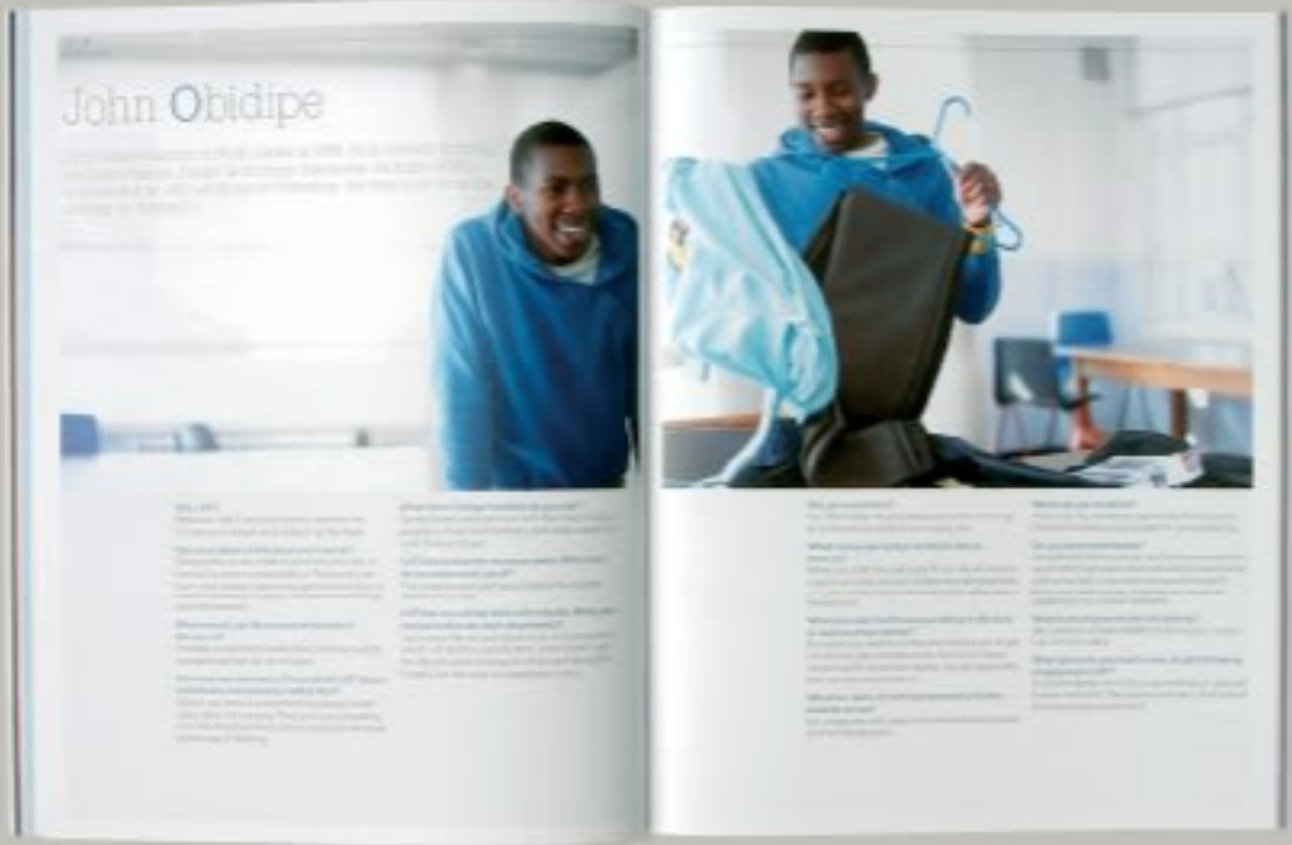
From university, I moved into business analysis and change work, and from 2010 spent a decade consulting full-time across multiple industries. Over those years I led transformation projects, designed target operating models, and managed multi-million-pound procurements for some of the UK's leading institutions: the University of Oxford, the Open University, University of the Arts London, the University of Portsmouth, the University of London, Cambridge University Press, Autoglass, Scania, Sainsbury's, Morrisons, and Asda, among others.
I wore different hats during that time — business analyst, project manager, product owner — but the thread running through all of it was the same: helping organisations understand themselves, untangle complexity, and move forward with clarity. The principles that work for organisations turn out to work for the leaders inside them, too.
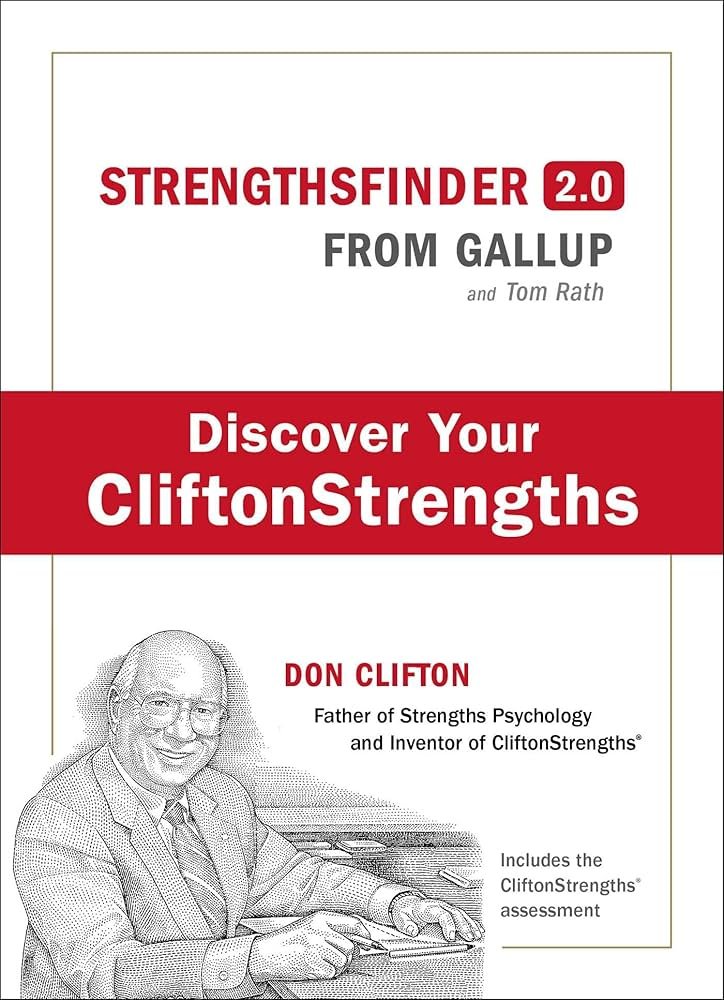
Then I encountered a book which gave me a full new understanding and perspective on life. I learned how to understand what was great about me and how to apply those abilities to different problems to create different solutions.
Using my understanding of my innate abilities — my superpowers — I can see human potential when I meet a person for the first time. That view only deepens as I get to know them.
Although I've always coached people informally, this book started off my coaching journey. If I could help individuals understand what's great about themselves, they can achieve greater things.
"How are you? No — how are you really doing?"
What it's like to be coached by me. We start with "how are you?" Then: "how are you really doing?" I regulate if necessary, so you're actually in the room and connected to the conversation. Then I get a full download of your week, an accountability check-in for the tasks you said you'd complete, and we begin to account for progress and tie it into the bigger picture. No slides. No intake forms. Just a real conversation.